Braking Performance That Stops Loaded Equipment Safely
Brake System Repair in McKinney for heavy equipment, trailers, and diesel trucks experiencing reduced stopping power
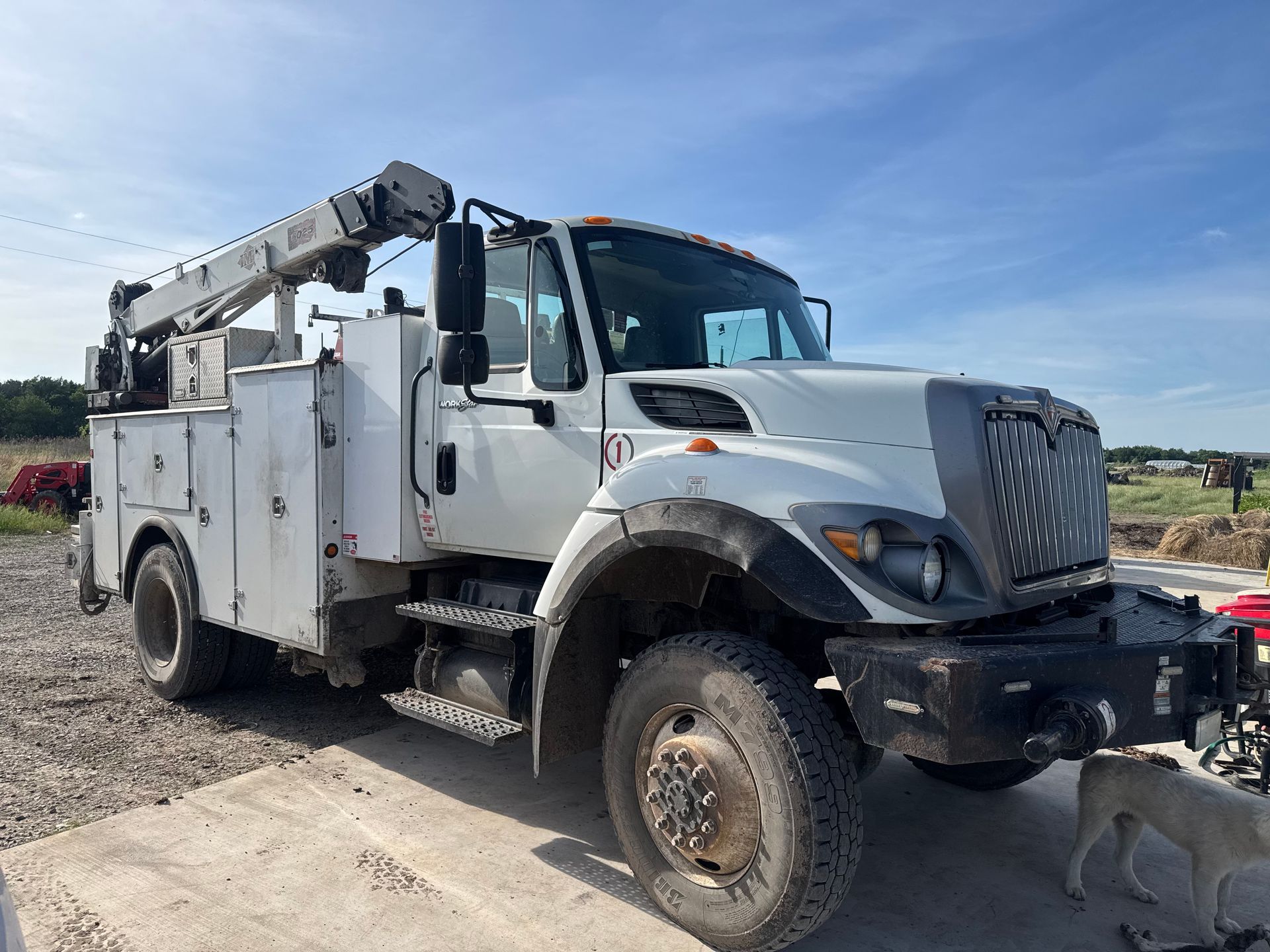
Reduced braking performance on loaded trailers or heavy equipment creates dangerous situations where stopping distances increase beyond what road conditions and traffic allow, especially when equipment operators discover brake fade only after applying brakes in an emergency. Brake system inspections identify worn friction material, air leaks in pneumatic systems, contaminated brake fluid in hydraulic systems, and out-of-adjustment components that prevent full brake application even when pedals or levers reach their travel limits. Halvy Equipment Services repairs and maintains brake systems on heavy equipment, trailers, and diesel trucks operating across McKinney, where the region's mix of highway hauling and congested construction zones demands reliable stopping power under varying load conditions. Experienced diagnostics isolate whether poor braking stems from mechanical wear, hydraulic problems, air system leaks, or electronic control issues in newer anti-lock systems.
The diagnostic process starts with measuring brake adjustment at each wheel position, verifying that shoes or pads contact drums or rotors through their full design range rather than reaching adjustment limits that prevent proper application. For air brake systems, testing includes checking supply pressure, measuring application and release times at each brake chamber, and listening for air leaks at connections and diaphragms that reduce available pressure. Hydraulic brake inspection looks for fluid leaks, measures pedal free play and total travel, and verifies that master cylinders and wheel cylinders develop pressure evenly across all brake positions.
Schedule brake system inspection when stopping distances increase, when pedal feel becomes spongy, or as part of regular service intervals.
What Dependable Braking Performance Requires
Proper brake function depends on friction material with adequate remaining thickness, adjustment that positions shoes or pads correctly relative to drums or rotors, and hydraulic or pneumatic systems that deliver full force when the operator applies brakes. Air brake systems require compressors that maintain supply pressure, valves that don't leak when brakes release, and chambers with diaphragms that haven't developed cracks allowing air to escape. Hydraulic systems need fluid free from moisture contamination that causes spongy pedal feel, lines without leaks or restrictions, and wheel cylinders or calipers that apply force evenly rather than pulling to one side.
After brake repairs, you'll notice equipment stops in predictably shorter distances with firm, consistent pedal or lever feel that doesn't require excessive force. Trailers track straight during braking without pulling to either side, indicating balanced brake application across all wheel positions. Equipment handles downhill grades without brake fade, and repeated stops don't result in progressively longer stopping distances as heat builds in the brake system. The difference becomes apparent immediately when you need to stop loaded equipment in traffic or position machinery precisely during tight maneuvering.
Brake service includes component replacement based on measured wear rather than arbitrary time intervals, adjustments that restore proper shoe-to-drum or pad-to-rotor clearance, and troubleshooting that addresses performance problems before they compromise safe operation. Some brake work requires specialized tools for adjusting slack adjusters on air brake systems or bleeding hydraulic systems properly, while mobile service capability brings those tools to equipment operating at job sites or farms where moving machinery specifically for brake inspection isn't practical until service is actually needed.
What Equipment Owners Ask About Brake Service
Brake questions typically focus on maintenance intervals, how to recognize developing problems, and what repairs actually involve for different brake system types.
What indicates that brake friction material needs replacement on heavy equipment?
Measuring remaining lining thickness provides definitive answers, but operational signs include increased stopping distances, reduced pedal or lever resistance, and brake fade during repeated stops or long downhill grades. For drum brakes, measuring brake shoe thickness through inspection ports shows whether material remains adequate or has worn to the point requiring replacement.
How do air brake systems develop problems that affect stopping performance?
Compressor wear reduces output pressure, leaking valves or connections drop system pressure faster than the compressor can restore it, and cracked diaphragms in brake chambers prevent full brake application even when supply pressure is adequate. Each of these creates different symptoms, from slow brake application to complete loss of braking if pressure drops too low.
Why does brake adjustment matter even when friction material has remaining life?
As linings wear, the gap between shoes and drums increases, requiring more pedal or lever travel to bring friction surfaces into contact. Excessive clearance means brakes don't apply fully even at maximum pedal travel, reducing stopping force regardless of lining condition. Regular adjustment compensates for wear and maintains proper application throughout the lining's service life.
When should brake fluid be replaced in hydraulic brake systems in McKinney?
Fluid absorbs moisture over time, lowering its boiling point and causing spongy pedal feel as dissolved water vaporizes under the heat generated during heavy braking. Testing fluid with moisture test strips shows whether replacement is needed, though most manufacturers recommend intervals based on time regardless of measured moisture content.
What's involved in troubleshooting brakes that pull to one side during application?
The diagnostic process checks for uneven brake adjustment, contaminated friction material on one side, seized caliper or wheel cylinder pistons preventing full application, and in air brake systems, restricted air lines or failed chambers that delay brake application on the affected side. Comparing brake temperatures immediately after a test stop reveals which brakes aren't working fully.
Halvy Equipment Services provides brake system diagnostics that identify specific failures affecting stopping performance, then completes repairs that restore safe braking function. Contact us to arrange brake inspection when equipment braking characteristics change or when scheduled service intervals indicate inspection is due.