Machinery That Stays Running Through Your Project Timeline
Construction Machinery Repair in McKinney for equipment breakdowns that halt job site progress
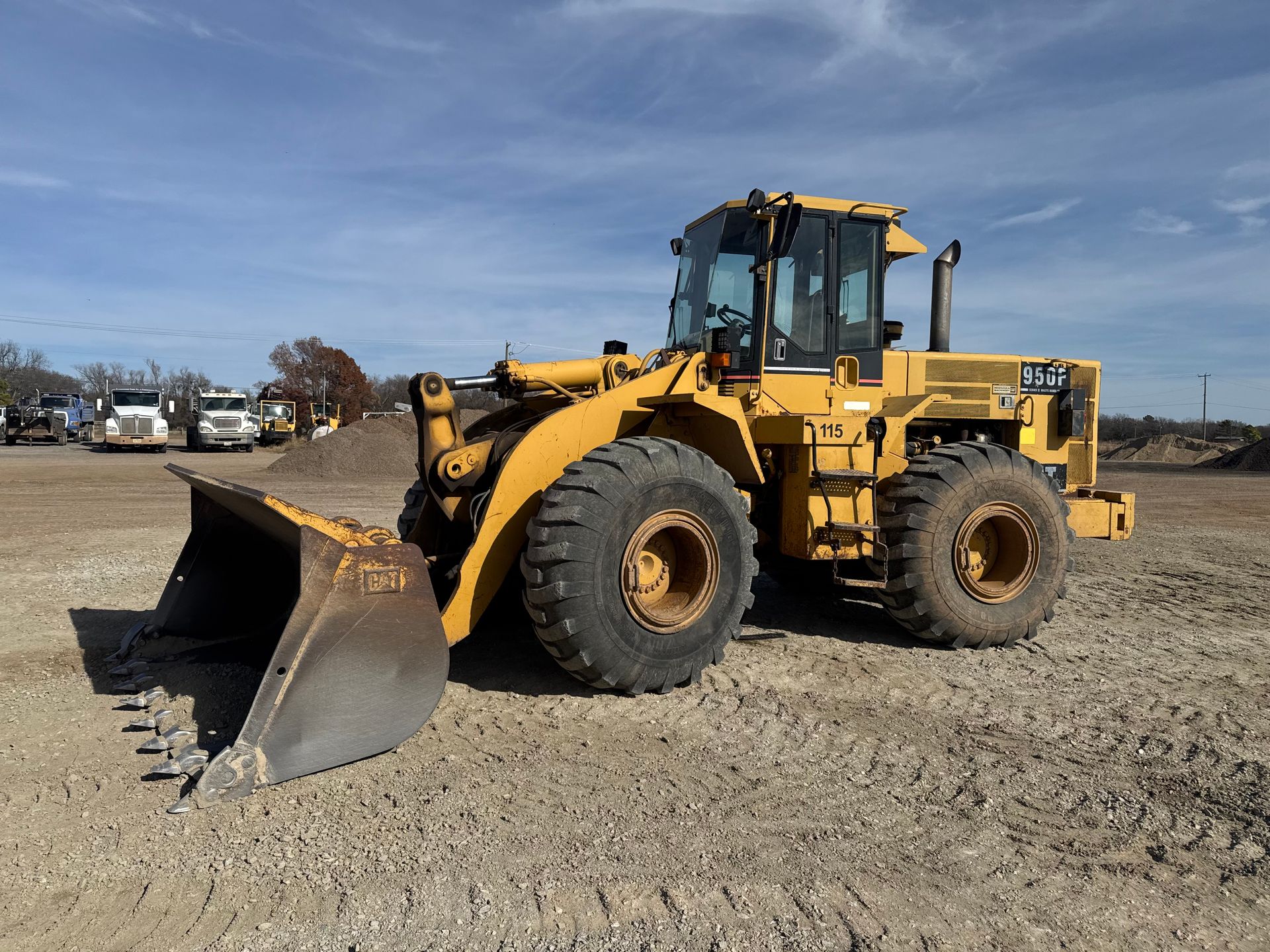
When a loader loses hydraulic pressure mid-excavation or a skid steer refuses to start during foundation work, the resulting downtime compounds through every trade waiting behind that equipment. Halvy Equipment Services provides construction machinery repair for contractors operating across McKinney, addressing hydraulic failures, engine malfunctions, electrical faults, mechanical breakdowns, and braking system failures that stop work. With more than 35 years of construction equipment experience, the diagnostic process isolates whether a non-responsive control panel stems from a failed relay, corroded wiring harness, or a deeper issue in the machine's electronic control module.
The repair process begins with advanced diagnostics that identify the specific failed component rather than replacing parts by trial and error. Hydraulic system diagnostics measure actual pressure against manufacturer specifications to determine whether weak performance originates from a worn pump, internal cylinder seal failure, or a valve that no longer holds pressure under load. Engine diagnostics read fault codes and measure fuel pressure, turbocharger boost, and exhaust backpressure to pinpoint why a machine loses power or won't start in cold North Texas mornings.
Schedule an onsite evaluation so repairs happen where your equipment sits rather than losing additional days arranging transport.
What Happens During Equipment System Diagnosis
Diagnosing construction machinery involves connecting to the machine's electronic control systems to retrieve stored fault codes, then verifying those codes against actual component performance through physical testing. Hydraulic diagnostics include pressure testing each circuit under operating conditions, inspecting hoses and fittings for external leaks, and checking cylinder rod seals for the telltale fluid seepage that indicates internal wear. Electrical diagnostics trace voltage through circuits to find opens, shorts, or resistance issues that prevent proper operation.
After repairs, you'll notice the equipment responds immediately to control inputs without the hesitation or weak movement that indicated declining performance. Hydraulic cylinders extend and retract at full speed under load, engines deliver rated horsepower without smoke or power loss, and electrical systems operate all functions without intermittent failures. The difference appears most clearly when the machine handles the same demanding work that previously triggered the breakdown.
Mobile field service means technicians bring diagnostic equipment and common repair parts directly to your job site, reducing the time between equipment failure and restored operation. For failures requiring specialized components, the diagnostic process identifies exactly what's needed before ordering parts, eliminating guesswork that extends downtime. The goal is keeping projects on schedule by addressing mechanical failures as quickly as parts availability and repair complexity allow.
What Contractors Ask About Equipment Repairs
Questions about construction machinery repair often focus on diagnostic accuracy, repair timelines, and how mobile service actually works on active job sites.
What does hydraulic system diagnostics involve for construction equipment?
The process includes connecting pressure gauges to test ports throughout the hydraulic circuit, operating each function under load while monitoring actual pressure against specifications, and inspecting all cylinders, hoses, and fittings for external and internal leakage patterns that indicate which components have failed.
How does mobile repair service work when equipment breaks down on a job site?
Technicians arrive with diagnostic tools, common replacement parts, and welding equipment when needed, performing repairs where the machine sits rather than requiring transport to a shop. This approach works for most hydraulic, electrical, and mechanical failures, though some engine rebuilds or major component replacements may require shop facilities.
Why do electrical problems on construction equipment often return after initial repairs?
Intermittent electrical faults usually stem from corroded connections, damaged wiring insulation that causes shorts under vibration, or failing control modules that work when cool but fail under operating temperatures. Thorough diagnostics locate the actual failure point rather than just resetting fault codes.
What factors affect repair timelines for construction machinery in McKinney?
Part availability drives most timeline variation, especially for specialized hydraulic components or electronic control modules that aren't stocked locally. Diagnostic complexity also matters—a visible hydraulic leak repairs faster than an intermittent electrical fault that only appears under specific operating conditions.
When should preventive maintenance happen for equipment that runs daily on job sites?
Operating hours matter more than calendar time for equipment under continuous use. Hydraulic fluid analysis, filter changes, and brake system inspections catch developing problems before they cause failures that stop work during critical phases of a project.
Halvy Equipment Services responds to equipment failures with diagnostic capability that identifies root causes rather than surface symptoms. Request onsite diagnostics when machinery performance changes or failures interrupt your project timeline.