Machinery Repairs That Address Root Failures
Heavy Equipment Repair in McKinney for excavators, loaders, dozers, and machinery experiencing complex system failures
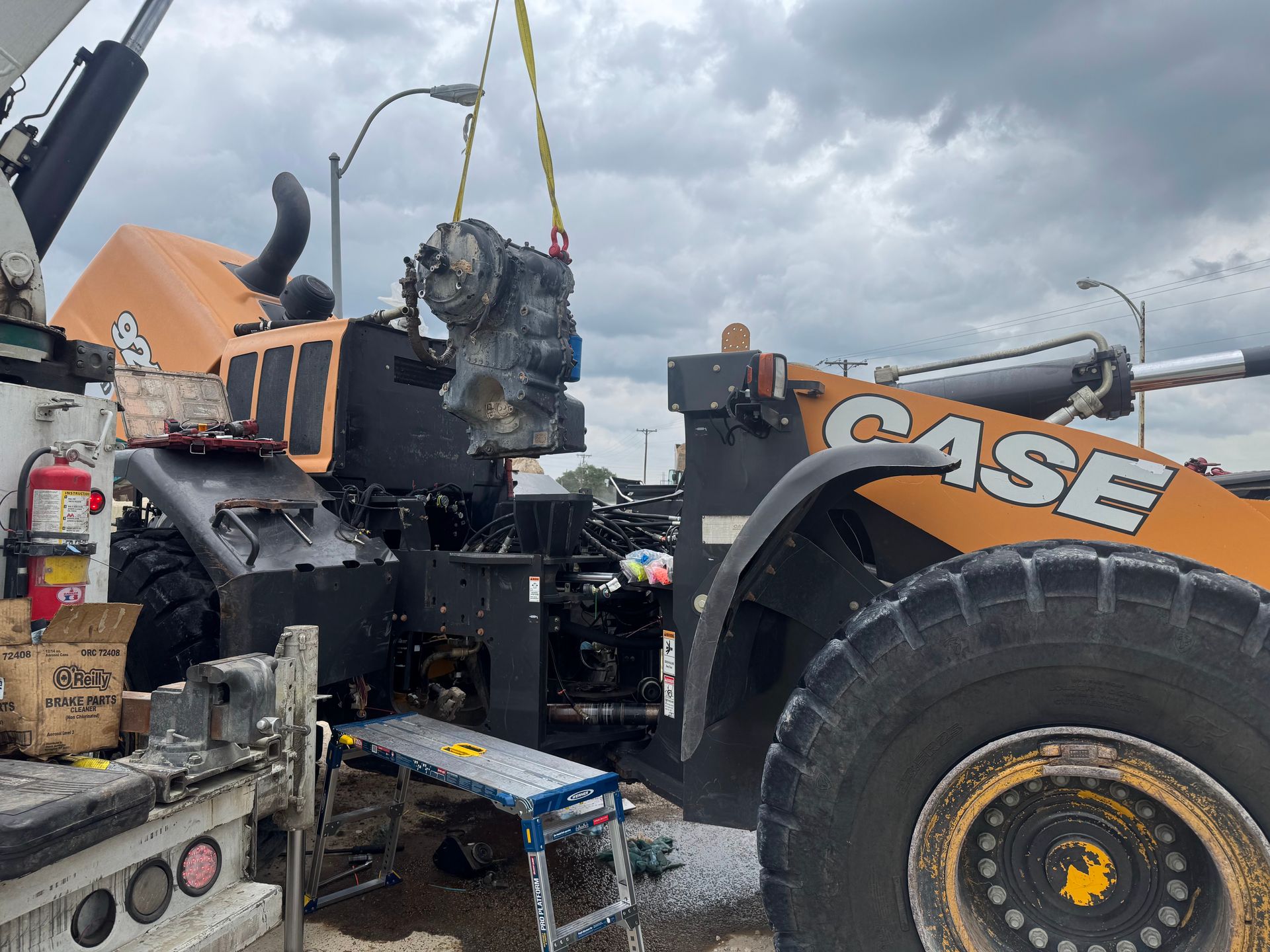
Heavy equipment operates under high loads, continuous vibration, and abrasive conditions that cause components to wear, seals to fail, and systems to develop problems that aren't always obvious from external inspection. When an excavator loses hydraulic power, a loader won't move, or a dozer begins overheating, the visible symptom often masks a deeper failure point within mechanical assemblies, hydraulic circuits, electrical systems, braking components, or engine subsystems. Halvy Equipment Services provides heavy equipment repair throughout McKinney and the broader North Texas area, diagnosing complex failures that require more than basic troubleshooting. With over 35 years of hands-on experience repairing excavators, loaders, dozers, skid steers, graders, and other heavy machinery, technicians work through systems methodically to identify why equipment has failed rather than replacing parts until something works.
The repair process begins with understanding what the machine was doing when it failed and what symptoms appeared, then testing each system to isolate where performance has degraded. Hydraulic system diagnosis checks pump output, relief valve settings, cylinder seal integrity, and control valve operation. Electrical troubleshooting traces circuits from batteries through switches, relays, sensors, and control modules. Engine analysis evaluates fuel delivery, air intake, compression, cooling system function, and computer-controlled parameters.
Request an onsite evaluation to determine what's causing your heavy equipment to underperform or fail completely.
What Proper Heavy Equipment Repair Requires
Accurate diagnosis depends on understanding how systems interact within the machine, because a hydraulic problem might originate in an electrical sensor, and an engine issue might stem from a clogged hydraulic cooler affecting overall system temperature. Technicians carry diagnostic tools that measure actual system values rather than guessing based on visual inspection—hydraulic pressure gauges, electrical multimeters, compression testers, and computer interfaces that pull live data from engine control systems. Testing isolates whether a component has mechanically failed, whether contamination is restricting flow, or whether a control signal isn't reaching the part that should be responding.
Once repairs are finished, your equipment returns to the performance and reliability it had before the failure developed. Hydraulic systems that were sluggish or erratic operate smoothly through full cycles, electrical components respond consistently, engines run at proper operating temperatures without overheating or loss of power, and braking systems stop machinery predictably under load. Halvy Equipment Services completes repairs that address the underlying cause so the same failure doesn't reappear after a few hours of operation.
Mobile field service brings repair capability directly to construction sites, yards, or wherever equipment is located, minimizing the downtime and expense associated with transporting heavy machinery. When shop facilities are needed for major disassembly or specialized equipment, technicians coordinate logistics to move only what's necessary after diagnosis confirms the scope of work required.
Answers to Frequent Service Questions
Heavy equipment operators typically want to understand how diagnosis works and what separates thorough repairs from quick fixes that don't last.
What types of heavy equipment failures can be repaired onsite?
Mobile service addresses hydraulic system leaks and performance loss, electrical failures including sensors and wiring, mechanical drive component problems, brake system repairs, and engine performance issues that don't require complete teardown.
How do technicians diagnose problems that only happen intermittently?
Intermittent failures are traced by testing components under operating conditions, monitoring sensor signals and system pressures while the machine runs through work cycles, and inspecting connections and components for heat damage, corrosion, or wear that causes inconsistent contact.
Why does equipment sometimes fail again shortly after a repair?
Repairs fail when the symptom is addressed but the root cause isn't corrected—replacing a hydraulic cylinder that's leaking doesn't solve the problem if contaminated fluid is destroying seals, and swapping a sensor won't help if corroded wiring is causing the false signal.
What should operators in McKinney watch for that indicates developing problems?
Hydraulic systems that slow down during work cycles, unusual engine temperatures or exhaust smoke, electrical components that work inconsistently, braking response that feels soft or delayed, and mechanical noises that change under load all signal components reaching the end of their service life before complete failure occurs.
When should heavy equipment be taken out of service for repair versus continuing to operate?
Equipment should be shut down when hydraulic leaks create slip hazards or environmental concerns, when braking performance becomes unreliable, when engine overheating risks major damage, or when electrical problems affect safety systems—continuing operation often escalates repair costs exponentially.
Halvy Equipment Services operates throughout North Texas with diagnostic capability and repair experience across excavators, loaders, dozers, skid steers, graders, and other heavy machinery used in construction, site work, and material handling. Schedule an onsite inspection to determine what your equipment needs before minor problems become major failures.